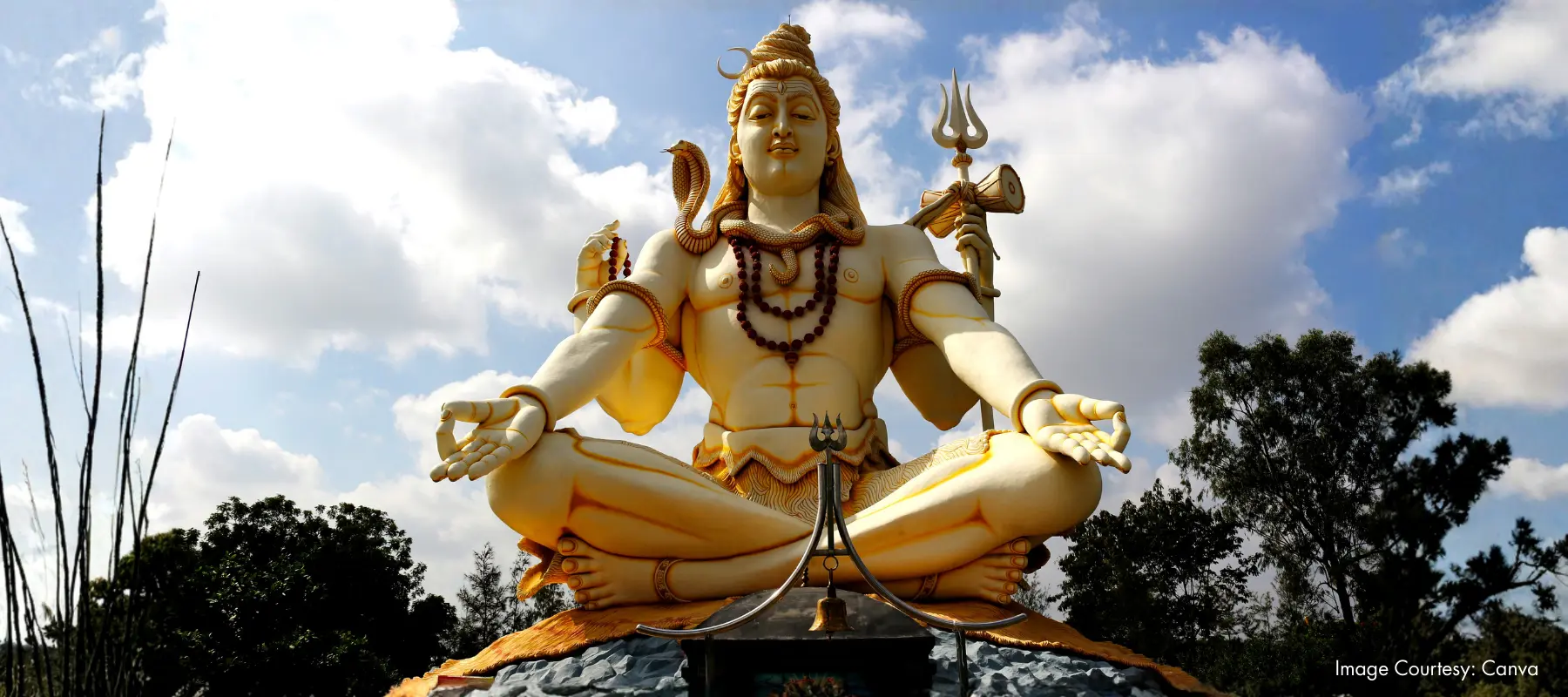
Maha Shivratri, literally the Great Night of Shiva, is one of Hinduism’s most sacred festivals, celebrated this year on 15 February. Dedicated to Lord Shiva, the day symbolises spiritual renewal, inner stillness, and the triumph of light over ignorance. Across India, devotees observe a rigorous fast, chant, meditate, and keep vigil through the night, offering milk, water, and bilva leaves at Shiva temples.
Temples reverberate with chants of Om Namah Shivaya as worshippers offer water, milk, and bilva leaves to Shiva lingams. The night-long pujas and rituals are believed to bestow blessings for strength, peace, and liberation, with many staying awake until dawn in devotion.
In places like Uttarakhand, Varanasi, and South India, grand temple events, fire offerings, and community prayers mark the occasion. Beyond India, Hindu communities in Nepal and Mauritius also observe Maha Shivratri with vigils and cultural programmes, underlining the festival’s wide cultural resonance.
More than just a religious festival, Maha Shivratri invites introspection, discipline, and deep spiritual engagement, a night where silence, devotion, and inner awakening take centre stage.