The Sinhala and Tamil New Year, known as Aluth Awurudda in Sinhala and Puththandu in Tamil, falls on 14 April 2026 and is observed by both Sinhala Buddhists and Tamil Hindus across Sri Lanka. It is, by any measure, the island’s most significant cultural celebration.
The festival is closely linked to Sri Lanka’s agricultural cycle, marking the end of the main harvest season. Its origins stretch back to antiquity. The advent of Buddhism in the 3rd century BC reshaped many of the existing New Year rituals, while Hindu traditions developed alongside, creating the layered celebration that endures today.
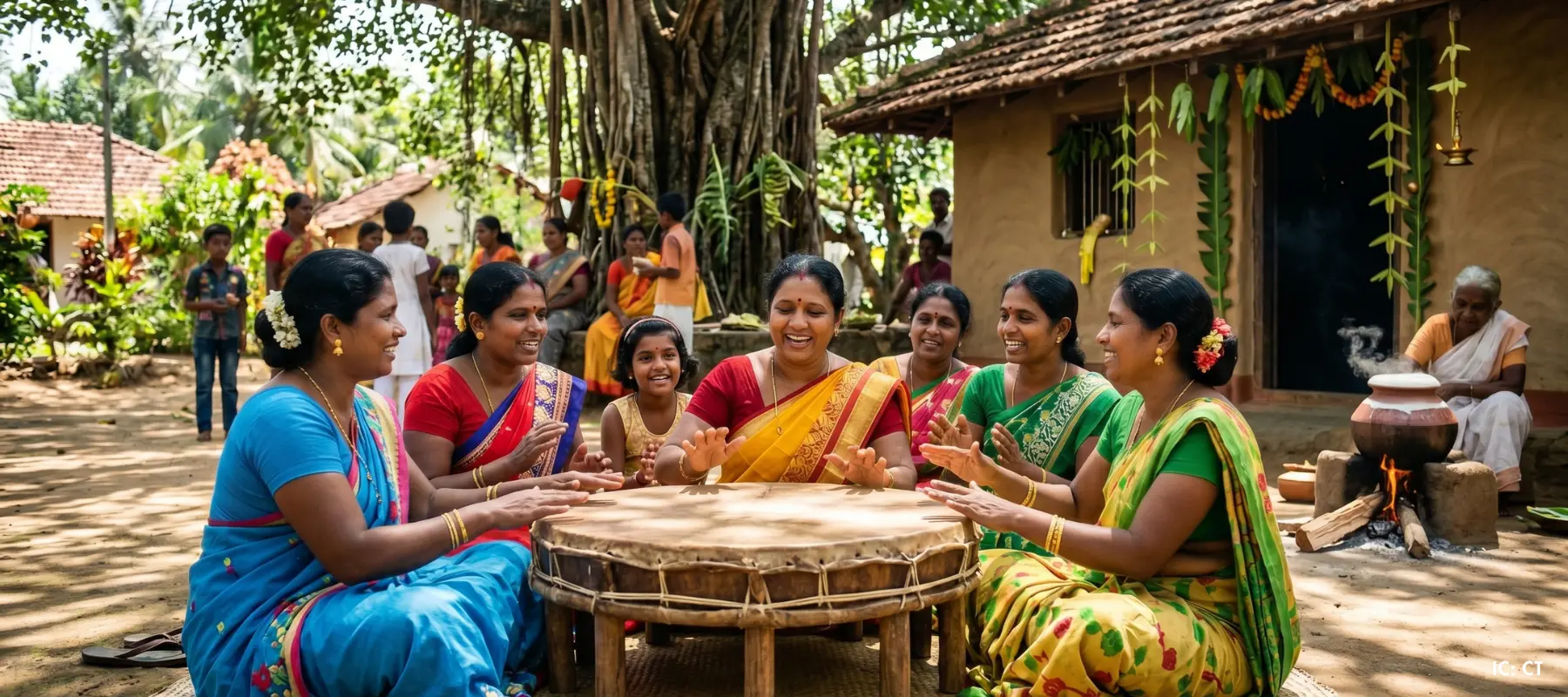
What makes Avurudu particularly extraordinary is the Nonagathaya, a neutral period between the old and new years during which work and daily activity pause nationwide, and people turn to religious observance and traditional practices. When the new year begins, the woman of each household lights the hearth, boiling milk in a new earthen pot and allowing it to bubble over as a symbol of prosperity.
Kiribath or milk rice is prepared, sweetmeats are exchanged between neighbours, and children offer elders sheaves of betel in respect.
For visitors, April in Sri Lanka means witnessing a country exhale, reconnect, and begin again.