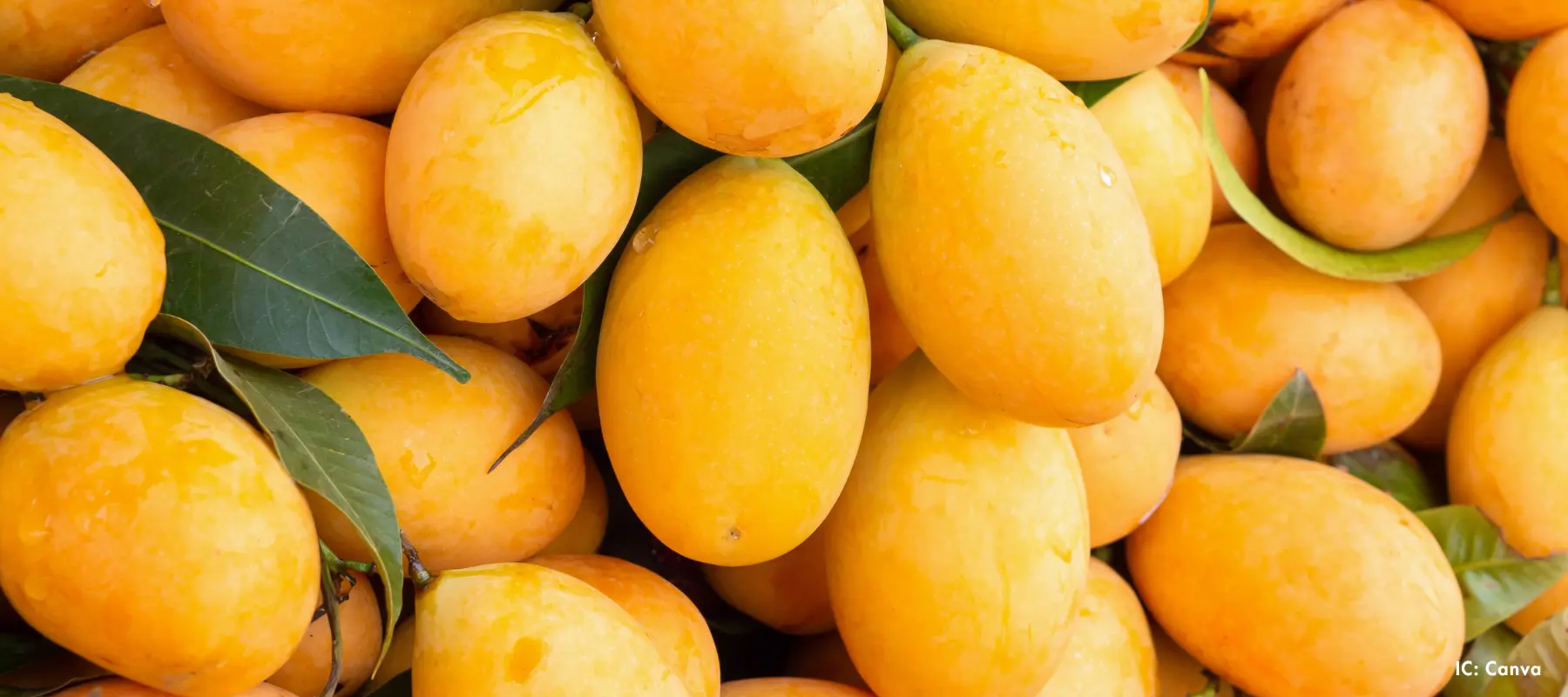
In India, the arrival of summer is not marked by the calendar, but by the scent of mangoes ripening quietly in homes and markets. Known as the national fruit, the mango has been part of the subcontinent’s story for centuries, woven into culture, poetry, and everyday life.
Its history stretches back to ancient India, where even emperors took note. Mughal rulers cultivated vast mango orchards, and over time, the fruit became a symbol of abundance and indulgence. Today, India grows close to a thousand varieties, each shaped by its region’s soil and climate.
From the rich, saffron-hued Alphonso of the Konkan coast to the fragrant Kesar of Gujarat and the beloved Dussehri of the north, no two mangoes are quite the same. Some are silky and smooth, others fibrous and sharp, but all carry a depth of flavour that feels unmistakably Indian.
Perhaps that is why it remains so loved. Beyond taste, the mango holds memory. It is shared across generations, gifted in seasons of celebration, and waited for all year.
It is not just a fruit. It is a feeling that returns every summer, exactly when it should.