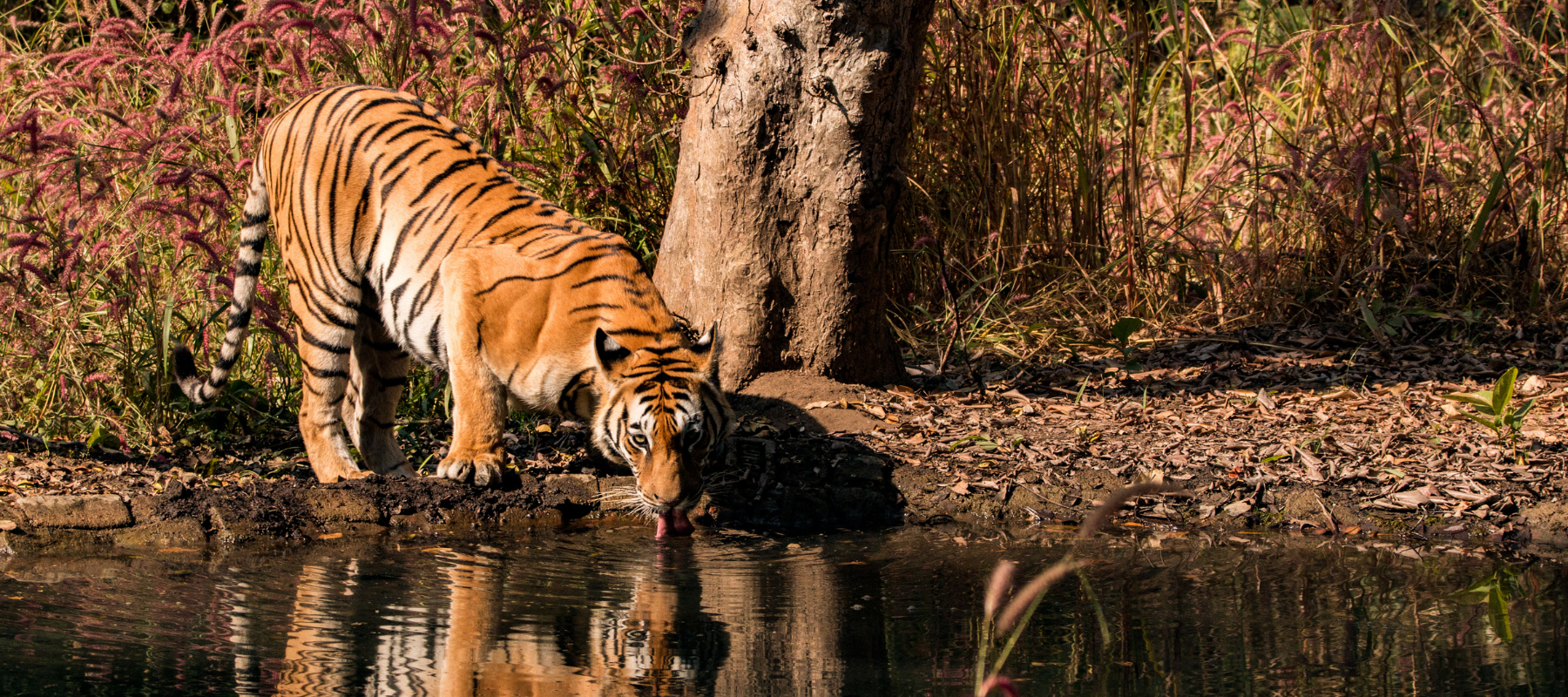
Madhya Pradesh now has an estimated 1,000 tigers, up from 785 in 2022. It is a conservation milestone by any measure. It is also becoming a serious problem.
A male tiger needs between 50 and 100 square kilometres to hold territory. For 1,000 tigers, that means at least 50,000 square kilometres of viable habitat. The state’s nine tiger reserves together cover just 16,233 square kilometres. The gap between those two numbers is where people are dying.
In 13 days, two villagers were killed in tiger attacks around the Pench Tiger Reserve. The second death triggered mob violence, with hundreds of villagers storming the reserve, dismantling gates, damaging vehicles, and setting parts of the forest on fire. It was not an isolated incident. Between 2020 and 2025, 380 people have died in human-wildlife conflict across the state, with over 5,700 injured.
As dominant tigers claim the best territory, weaker individuals are pushed outward toward villages. Declining prey within forest boundaries accelerates this further. Similar incidents have now been reported in Satpura and Bandhavgarh reserves as well.
Wildlife expert Ajay Dubey puts it plainly: tiger conservation cannot be measured in numbers alone. Without parallel forest expansion, the population surge has simply moved the crisis closer to human settlements.