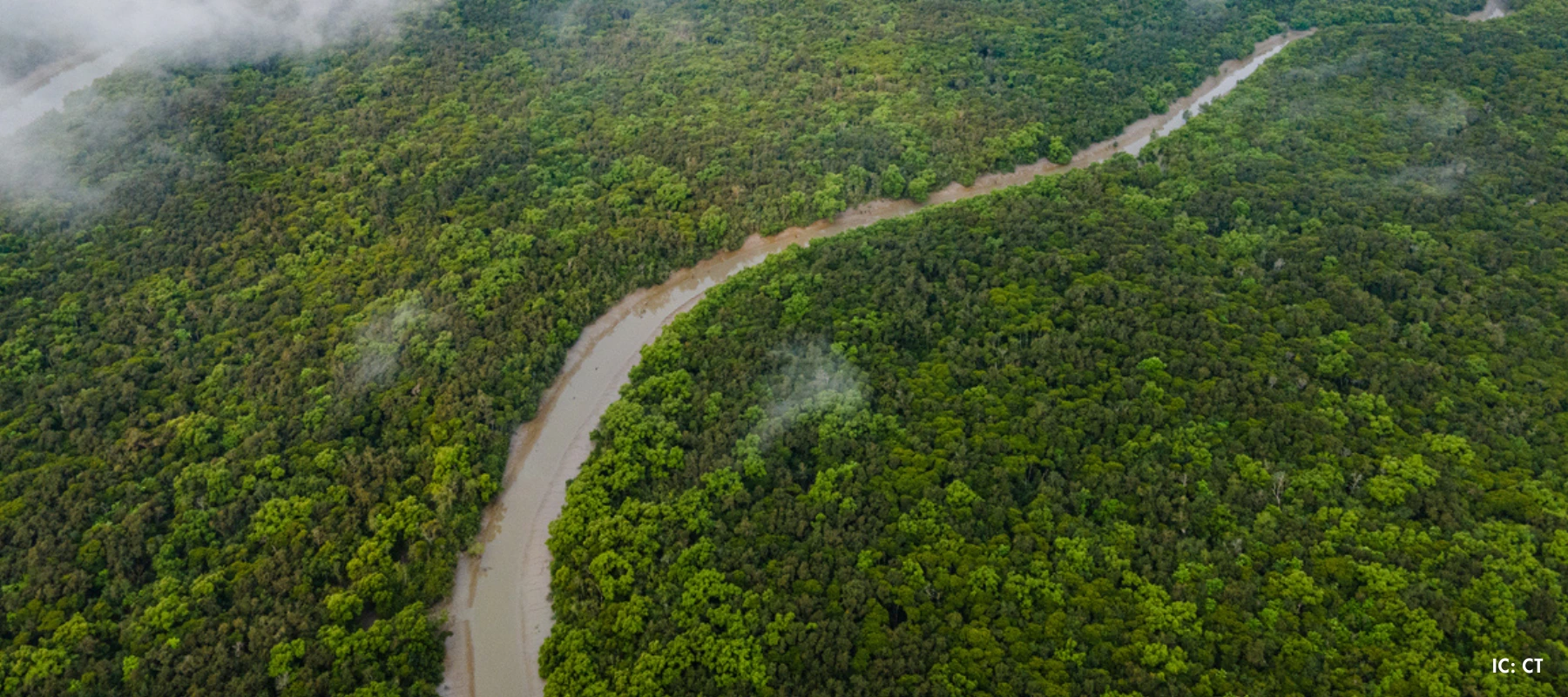
The Sundarbans, the world’s largest mangrove forest, remains closed to all entry from June 1 to August 31, as authorities impose the annual ban to protect wildlife, fish stocks, and biodiversity during peak breeding season.
The restriction covers tourists, fishermen, and collectors of wood and honey alike. No passes or permits will be issued during the period, and violations will invite legal action. Forest officials note that vessel movement through the waterways frequently disrupts breeding activity and that three months of undisturbed natural conditions significantly support the recovery of fish, wildlife, and vegetation populations.
June to August marks the most critical window for the ecosystem. Fish spawn in the rivers and canals, wildlife reproduce, and seeds germinate across the forest during this period, making human presence particularly disruptive.
The closure, while ecologically necessary, carries a real economic cost. Thousands of fishermen, honey collectors, and wood gatherers who depend on the Sundarbans for their livelihoods will be without income for the duration. Tourism boat operators and their workers face a similar situation.
The Forest Department and Department of Fisheries are reported to be working on support measures for affected communities, though many residents have already called on the government to provide direct financial assistance during the three month period.